What regular maintenance can help prevent water damage?
Regular home maintenance is key to preventing water damage. This includes inspecting and maintaining gutters, checking for leaks in plumbing, and ensuring proper drainage around your property. In Fort Lee, where seasonal changes can bring heavy rains, keeping gutters clear and sealing any leaks promptly is essential.
Gutter Maintenance: Gutters play a crucial role in directing rainwater away from your home. Clogged gutters can lead to water overflow, which might damage your roof and foundation. Homeowners should clean their gutters at least twice a year, ideally in the spring and fall. Use a sturdy ladder, gloves, and a small scoop to remove debris. Additionally, consider installing gutter guards to prevent leaves and debris from clogging the system.
Plumbing Checks: Regularly inspect your home’s plumbing system for signs of wear and tear. Look for leaks under sinks, around toilets, and near appliances like dishwashers and washing machines. It's a good idea to know where your main water shut-off valve is located in case of a major leak. Replace worn washers and seals promptly to prevent drips from turning into serious leaks.
Foundation and Exterior Inspection: Check your home’s foundation for cracks or signs of water pooling, especially after heavy rains. Seal any visible cracks with waterproof sealant. Ensure that downspouts direct water at least three feet away from your foundation to prevent water accumulation. Sometimes, extending downspouts with a flexible pipe can effectively redirect water flow away from the house.
Gutter Maintenance: Gutters play a crucial role in directing rainwater away from your home. Clogged gutters can lead to water overflow, which might damage your roof and foundation. Homeowners should clean their gutters at least twice a year, ideally in the spring and fall. Use a sturdy ladder, gloves, and a small scoop to remove debris. Additionally, consider installing gutter guards to prevent leaves and debris from clogging the system.
Plumbing Checks: Regularly inspect your home’s plumbing system for signs of wear and tear. Look for leaks under sinks, around toilets, and near appliances like dishwashers and washing machines. It's a good idea to know where your main water shut-off valve is located in case of a major leak. Replace worn washers and seals promptly to prevent drips from turning into serious leaks.
Foundation and Exterior Inspection: Check your home’s foundation for cracks or signs of water pooling, especially after heavy rains. Seal any visible cracks with waterproof sealant. Ensure that downspouts direct water at least three feet away from your foundation to prevent water accumulation. Sometimes, extending downspouts with a flexible pipe can effectively redirect water flow away from the house.
How can landscaping contribute to water damage prevention?
Landscaping plays a crucial role in directing water away from your home. Consider grading your yard to slope away from the foundation and planting vegetation that absorbs excess water. In Fort Lee, strategic landscaping can mitigate water accumulation during heavy rainfall, reducing the risk of damage. Contact us for advice on protective landscaping design.
Grading and Drainage: Proper grading ensures that water flows away from your home’s foundation. If your yard slopes towards your home, consider regrading to create a gentle slope away. French drains can be an effective way to manage groundwater and prevent it from seeping into the basement or foundation.
Vegetation and Plant Selection: Choose plants that thrive in wet conditions for areas prone to water accumulation. Native plants are often well-suited to handle the local climate and soil conditions. Deep-rooted plants and trees can help absorb excess water and stabilize the soil. Consider creating rain gardens in low-lying areas to manage runoff naturally.
Mulching and Soil Management: Mulch can help retain soil moisture and prevent erosion. Use organic mulches, such as wood chips or straw, to improve soil structure and drainage. Ensure that mulch is not piled against the house foundation, as this can trap moisture and lead to rot.
Grading and Drainage: Proper grading ensures that water flows away from your home’s foundation. If your yard slopes towards your home, consider regrading to create a gentle slope away. French drains can be an effective way to manage groundwater and prevent it from seeping into the basement or foundation.
Vegetation and Plant Selection: Choose plants that thrive in wet conditions for areas prone to water accumulation. Native plants are often well-suited to handle the local climate and soil conditions. Deep-rooted plants and trees can help absorb excess water and stabilize the soil. Consider creating rain gardens in low-lying areas to manage runoff naturally.
Mulching and Soil Management: Mulch can help retain soil moisture and prevent erosion. Use organic mulches, such as wood chips or straw, to improve soil structure and drainage. Ensure that mulch is not piled against the house foundation, as this can trap moisture and lead to rot.
Are there any technology solutions for water damage prevention?
Modern technology offers several solutions for preventing water damage, such as smart leak detectors and automatic shut-off systems. These devices can provide early warnings and even stop water flow in emergencies. Implementing such technology in Fort Lee homes can offer peace of mind and an additional layer of protection.
Smart Leak Detectors: These devices are placed near potential leak sources, such as under sinks or near water heaters. They detect moisture and alert homeowners via smartphone apps, allowing for quick response to potential issues. Some advanced models can integrate with smart home systems for automated alerts.
Automatic Shut-off Systems: These systems are installed on your main water line and can automatically shut off the water supply if a leak is detected. This is particularly useful for preventing extensive damage when a major leak occurs while you are away from home.
Water Pressure and Flow Monitoring: Install devices that monitor water pressure and flow. These systems can detect unusual patterns that indicate a leak, allowing you to address the issue before it escalates. Maintaining optimal water pressure also reduces stress on pipes, decreasing the likelihood of burst pipes.
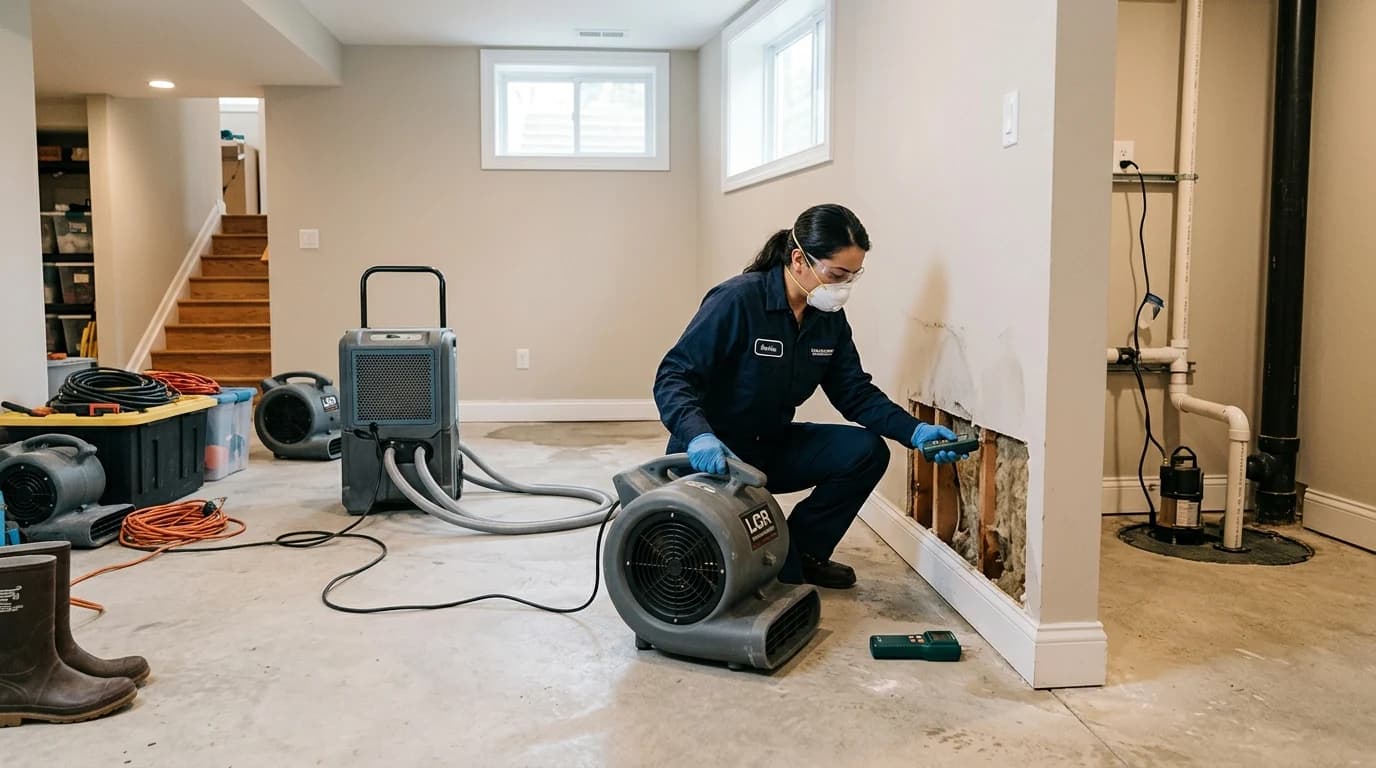
Sump Pumps with Battery Backup: For homes with basements, a sump pump is essential for preventing flooding. Ensure your sump pump is in good working condition and consider a battery backup system to keep it operational during power outages. Regularly test the pump and clean the sump pit to ensure it functions properly during heavy rains.
Smart Leak Detectors: These devices are placed near potential leak sources, such as under sinks or near water heaters. They detect moisture and alert homeowners via smartphone apps, allowing for quick response to potential issues. Some advanced models can integrate with smart home systems for automated alerts.
Automatic Shut-off Systems: These systems are installed on your main water line and can automatically shut off the water supply if a leak is detected. This is particularly useful for preventing extensive damage when a major leak occurs while you are away from home.
Water Pressure and Flow Monitoring: Install devices that monitor water pressure and flow. These systems can detect unusual patterns that indicate a leak, allowing you to address the issue before it escalates. Maintaining optimal water pressure also reduces stress on pipes, decreasing the likelihood of burst pipes.
Sump Pumps with Battery Backup: For homes with basements, a sump pump is essential for preventing flooding. Ensure your sump pump is in good working condition and consider a battery backup system to keep it operational during power outages. Regularly test the pump and clean the sump pit to ensure it functions properly during heavy rains.
What role does home insurance play in preventing water damage costs?
Home insurance is a crucial component in managing the financial risks associated with water damage. While insurance doesn't prevent damage outright, it can significantly mitigate the costs involved in repairs and restoration. Homeowners in areas like Fort Lee, NJ, where weather conditions can be unpredictable, should ensure their policies provide adequate coverage for water-related incidents.
Understanding Your Coverage: Not all home insurance policies cover water damage in the same way. It's essential to understand the specifics of your policy, including what types of water damage are covered. Typically, sudden and accidental water damage, such as from a burst pipe, is covered, while gradual damage, like slow leaks, may not be. Consider purchasing additional coverage for flood damage if you live in an area prone to flooding, as standard policies often exclude this.
Regular Policy Reviews: Review your insurance policy annually to ensure it meets your current needs. As your home ages or as you make improvements, your insurance requirements may change. Discuss with your insurance agent about any modifications or additional endorsements that might be necessary to cover potential risks effectively.
Documentation and Claims Process: In the event of water damage, having proper documentation can expedite the claims process. Take photos and keep records of your home's condition and any improvements or repairs made over time. This documentation can be invaluable when filing a claim, helping to prove the extent of the damage and the costs involved.
Understanding Your Coverage: Not all home insurance policies cover water damage in the same way. It's essential to understand the specifics of your policy, including what types of water damage are covered. Typically, sudden and accidental water damage, such as from a burst pipe, is covered, while gradual damage, like slow leaks, may not be. Consider purchasing additional coverage for flood damage if you live in an area prone to flooding, as standard policies often exclude this.
Regular Policy Reviews: Review your insurance policy annually to ensure it meets your current needs. As your home ages or as you make improvements, your insurance requirements may change. Discuss with your insurance agent about any modifications or additional endorsements that might be necessary to cover potential risks effectively.
Documentation and Claims Process: In the event of water damage, having proper documentation can expedite the claims process. Take photos and keep records of your home's condition and any improvements or repairs made over time. This documentation can be invaluable when filing a claim, helping to prove the extent of the damage and the costs involved.
How can regular roof inspections prevent water damage?
Regular roof inspections are a proactive measure to prevent water damage, as the roof is your home's first line of defense against the elements. In regions like Fort Lee, where seasonal weather can be harsh, maintaining a robust roof is critical to safeguarding your home from water intrusion.
Scheduling Inspections: Aim to have your roof inspected at least twice a year, ideally in the spring and fall. These inspections should be more frequent if your area experiences severe weather events, such as heavy snow or storms. Professional roofers can identify potential issues that may not be visible from the ground, such as loose shingles or damaged flashing.
DIY Checks and Maintenance: While professional inspections are recommended, homeowners can perform basic checks themselves. Look for visible signs of damage, such as missing or curled shingles, and inspect the attic for signs of leaks or water stains. Clear any debris from the roof and gutters to prevent water buildup.
Repair and Replace: Address any identified issues promptly. Delaying repairs can lead to more significant problems, such as rot or mold growth, which are costly and complex to fix. If your roof is nearing the end of its lifespan, consider a replacement to ensure continued protection. Investing in quality materials and professional installation can enhance your roof's durability and efficiency, providing long-term peace of mind.
Scheduling Inspections: Aim to have your roof inspected at least twice a year, ideally in the spring and fall. These inspections should be more frequent if your area experiences severe weather events, such as heavy snow or storms. Professional roofers can identify potential issues that may not be visible from the ground, such as loose shingles or damaged flashing.
DIY Checks and Maintenance: While professional inspections are recommended, homeowners can perform basic checks themselves. Look for visible signs of damage, such as missing or curled shingles, and inspect the attic for signs of leaks or water stains. Clear any debris from the roof and gutters to prevent water buildup.
Repair and Replace: Address any identified issues promptly. Delaying repairs can lead to more significant problems, such as rot or mold growth, which are costly and complex to fix. If your roof is nearing the end of its lifespan, consider a replacement to ensure continued protection. Investing in quality materials and professional installation can enhance your roof's durability and efficiency, providing long-term peace of mind.
Why is basement waterproofing essential for water damage prevention?
Basement waterproofing is a critical step in preventing water damage, especially in areas prone to heavy rainfall or flooding. A well-waterproofed basement can protect your home from structural damage and mold growth, which can be costly and hazardous to health. In regions like New Jersey, where weather patterns can be unpredictable, taking preventive measures in your basement can save you from significant headaches down the line.
Interior Waterproofing Solutions: One effective method is to seal walls and floors with a waterproof coating. This can help prevent moisture from seeping through porous surfaces. Additionally, installing a sump pump can be a lifesaver during heavy rains, as it actively removes water that accumulates in the basement. Ensure that your sump pump has a battery backup to keep it operational during power outages.
Exterior Waterproofing Solutions: Exterior solutions often involve more extensive work but provide a robust defense against water intrusion. This includes installing drainage systems such as French drains or improving the grading around your home to direct water away from the foundation. Applying a waterproof membrane to the exterior walls can also prevent water from penetrating the foundation.
Regular Inspections and Maintenance: Regularly inspect your basement for signs of moisture, such as damp walls or musty odors. Address any issues immediately, as small leaks can quickly escalate into significant problems. Keeping your basement dry not only protects your home but also maintains a healthier living environment.
Interior Waterproofing Solutions: One effective method is to seal walls and floors with a waterproof coating. This can help prevent moisture from seeping through porous surfaces. Additionally, installing a sump pump can be a lifesaver during heavy rains, as it actively removes water that accumulates in the basement. Ensure that your sump pump has a battery backup to keep it operational during power outages.
Exterior Waterproofing Solutions: Exterior solutions often involve more extensive work but provide a robust defense against water intrusion. This includes installing drainage systems such as French drains or improving the grading around your home to direct water away from the foundation. Applying a waterproof membrane to the exterior walls can also prevent water from penetrating the foundation.
Regular Inspections and Maintenance: Regularly inspect your basement for signs of moisture, such as damp walls or musty odors. Address any issues immediately, as small leaks can quickly escalate into significant problems. Keeping your basement dry not only protects your home but also maintains a healthier living environment.
What role do windows and doors play in preventing water damage?
Windows and doors are often overlooked when it comes to water damage prevention, yet they play a crucial role in maintaining your home's integrity. Proper sealing and maintenance of these entry points can prevent water from seeping in during rainstorms, thereby protecting your interior spaces.
Sealing and Caulking: Inspect the seals around your windows and doors regularly. Over time, caulking can deteriorate, leading to gaps that allow water to enter. Reapply caulk as needed to ensure a watertight seal. Use high-quality, weather-resistant caulk for the best results. Pay special attention to areas where different materials meet, such as where the window frame meets the wall.
Installing Storm Windows and Doors: Consider installing storm windows and doors if you live in an area prone to severe weather. These additions provide an extra layer of protection against wind-driven rain and can significantly reduce the risk of water intrusion.
Proper Installation and Maintenance: Ensure that windows and doors are installed correctly and are in good condition. Warped or ill-fitting frames can create entry points for water. Regularly check for signs of wear, such as peeling paint or rust, and address these issues promptly.
Drainage Systems: Install drainage channels or extend the overhangs on your windows to direct water away from the building. This can help prevent water from pooling near these vulnerable areas, reducing the risk of leaks and water damage.
Sealing and Caulking: Inspect the seals around your windows and doors regularly. Over time, caulking can deteriorate, leading to gaps that allow water to enter. Reapply caulk as needed to ensure a watertight seal. Use high-quality, weather-resistant caulk for the best results. Pay special attention to areas where different materials meet, such as where the window frame meets the wall.
Installing Storm Windows and Doors: Consider installing storm windows and doors if you live in an area prone to severe weather. These additions provide an extra layer of protection against wind-driven rain and can significantly reduce the risk of water intrusion.
Proper Installation and Maintenance: Ensure that windows and doors are installed correctly and are in good condition. Warped or ill-fitting frames can create entry points for water. Regularly check for signs of wear, such as peeling paint or rust, and address these issues promptly.
Drainage Systems: Install drainage channels or extend the overhangs on your windows to direct water away from the building. This can help prevent water from pooling near these vulnerable areas, reducing the risk of leaks and water damage.